eero vs. Traditional Routers: The Future of Home Wi-Fi
eero vs. Traditional Routers
Reliability, security, and ease of use are all things we look for in electronics we bring into our home. Routers are no exception. In this article, we’ll compare traditional routers with eero on those metrics and more. Spoiler alert: eero almost always comes out on top.
Traditional routers have been the go-to solution for years, but they often struggle to keep up with the demands of modern households. Enter eero: a mesh network system designed to eliminate dead zones, enhance reliability, and make managing your network easier than ever.
What Is a Traditional Router?
Traditional routers act as the central hub of a home network, connecting all your devices to the internet through a single access point. These devices send out a Wi-Fi signal from one location, typically near your modem. While they’ve served us well, traditional routers come with some limitations.
For instance, the further you are from the router, the weaker the signal becomes, often leading to dead zones in larger spaces or multi-story buildings. Traditional routers also have limited capacity to handle multiple devices, which can result in slower speeds when your network gets crowded. As our homes rely on more connected devices than ever, these shortcomings become increasingly apparent.
What Is eero?
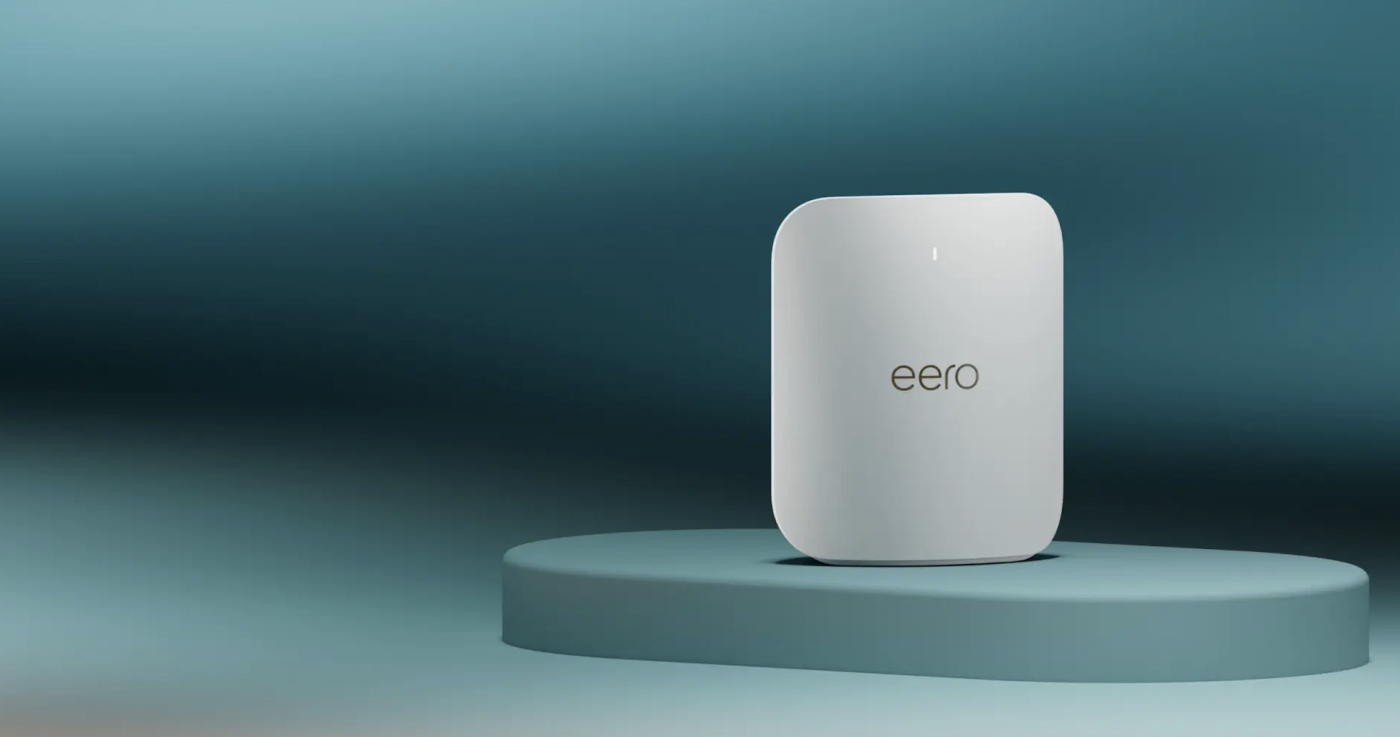
eero is a modern solution to the struggles that traditional routers often can’t overcome. Instead of relying on a single device to cover your entire home, eero uses a mesh network system. This system consists of multiple nodes, or access points, that work together to blanket your space in a strong, consistent Wi-Fi signal.
Traditional Routers vs. Eero: Comparing Key Features
Coverage
When it comes to coverage, it’s not even close. A traditional router’s single access point limits how far the signal can travel, leaving many homes with frustrating dead zones. If you’ve ever struggled to stream a show in the basement or make a video call upstairs, you know the pain.
eero's mesh network completely negates this issue by spreading coverage throughout your entire home. With multiple nodes placed strategically around your space, eero ensures every corner gets a strong, reliable signal.
Device Support
Traditional routers often can’t handle too many devices connecting at once. With phones, tablets, laptops, smart TVs, and an ever-growing list of smart home gadgets competing for bandwidth, it doesn’t take long for things to slow down.
On the other hand, eero is built for the demands of modern homes. Its mesh network can handle dozens of devices seamlessly, distributing bandwidth efficiently to keep everything running smoothly.
Setup and Ease of Use
Setting up a traditional router can still feel like a chore. From deciding on the best placement for coverage to navigating technical configurations, it’s often not the most user-friendly process. Additionally, while many modern routers include automatic updates, they still require manual adjustments for optimizing settings or troubleshooting network issues.
eero aims to simplify this process with its app-based setup. The intuitive app walks you through setup step by step, helping you position nodes for optimal coverage. The app also lets you manage your network effortlessly, offering features like parental controls, guest access, and real-time troubleshooting, all with just a few taps.
Advanced Features
When it comes to features, traditional routers often cover the basics: connectivity, basic settings, and some security options. However, more advanced features, such as parental controls or traffic monitoring, typically require additional software subscriptions or are more difficult to access and adjust.
eero includes many of these advanced features right out of the box. With its app, you can set up parental controls to manage screen time, monitor your network’s performance, and even prioritize certain devices for better speeds. Plus, eero updates automatically, ensuring your network stays secure and up to date without any extra effort.
Reliability
Traditional routers can be inconsistent, especially in places with interference from walls, appliances, or overlapping networks. Signal drops or lag are common complaints, especially in larger homes or those with high data usage.
eero’s mesh network design helps eliminate these issues by creating multiple connection points throughout your home. If one node encounters interference, the others adjust to maintain a strong and stable connection.
Security
Security is a key concern for any network, and most modern routers come with automatic updates to help protect against emerging threats. However, managing these updates and ensuring settings are optimized often falls on the user, which can leave some networks vulnerable.
eero simplifies this process with automatic updates that run seamlessly in the background. In addition, eero includes proactive security tools, such as blocking suspicious activity and safeguarding connected devices. These features make it an excellent choice for homes filled with smart gadgets or sensitive data, providing an extra layer of convenience and peace of mind.
For additional protection, the optional eero Secure service adds advanced features like real-time threat defense to block malware, phishing attempts, and other cyber threats.
Our Recommendation
We know the best internet is only as good as the equipment powering it. That’s why we recommend eero for homes looking to get the most out of their network. With eero, you can enjoy reliable coverage, advanced features, and a network that grows with your needs—all perfectly complementing our high-speed fiber internet.
Whether you’re upgrading your home network or setting up Wi-Fi for the first time, eero offers a simple, seamless solution. It’s the future of home Wi-Fi, and we’re proud to bring it to our customers.